Let’s be honest—owning a rental unit isn’t just about collecting rent payments and hoping the walls stay white. It’s about upholding the lease agreement, keeping the property in shape, and respecting the tenant’s privacy.
In Jacksonville, routine inspections are essential, but they must be done right. You can’t just show up unannounced and poke around the property’s exterior or interior like it’s a scavenger hunt. Landlords must conduct inspections with a valid reason, give written notice, and avoid crossing the line—especially if a tenant refuses entry without cause.
This guide will help you handle inspections legally and professionally, while preserving tenant privacy and landlord sanity.
Key Takeaways
- Landlords must provide at least 12 hours’ notice before conducting a landlord inspection in Jacksonville.
- Rental property inspections are allowed for repairs, emergencies, or to ensure tenant compliance—not to sift through personal belongings.
- A well-timed routine inspection helps detect safety hazards, maintain structural integrity, and address issues early.
- If a tenant refuses entry despite proper notice and a valid reason, landlords may have grounds for further action—always consult local laws.
- Partnering with professional property managers, like Nest Finders, ensures all inspections are conducted lawfully and respectfully under the lease agreement.
Understanding Florida Law on Rental Inspections
Under Florida Statutes §83.53, a property owner or property manager can inspect a rental property for several reasons:
- To identify maintenance issues
- To respond to maintenance requests
- To conduct pest control
- To ensure fire safety, including checking smoke alarms and carbon monoxide detectors
- To assess electrical systems or heating and cooling systems
- To handle emergencies
- If the tenant moves out or has abandoned the premises
But here’s the kicker: you must notify tenants at least 12 hours in advance, with inspections scheduled between 7:30 AM and 8:00 PM—because let’s face it, no one wants a surprise guest peeking into their space, especially not their fridge.
How Many Inspections Are Reasonable?
Florida law doesn’t specify how many inspections you can do, but the keyword is reasonable. Overdoing routine inspections could land you in hot water, potentially inviting legal action from tenants who feel harassed.
Best practice:
- Move in inspections before a new tenant arrives
- Mid-lease inspections every 3–6 months
- Move out inspections at the end of the lease period
These three points in the rental cycle provide a solid framework for a successful rental property inspection strategy.
Types of Landlord Inspections
1. Move-In Inspections
Used to document the property’s condition before a tenant moves in. Use a rental inspection checklist and take photos. This protects both parties involved and helps when handling the tenant's security deposit at the end of the rental agreement.
2. Routine Inspections
Scheduled during the lease period to ensure tenant compliance and monitor for repair needs, pest control issues, or normal wear. These regular inspections help prevent costly surprises.
3. Mid-Lease Inspections
Useful for property owners to spot safety hazards, check structural integrity, or address tenant behavior issues.
4. Maintenance or Repair Inspections
Initiated by maintenance requests or landlord-initiated repairs. This is an ideal time to assess related systems, such as electrical systems, water leaks, or heating and cooling systems.
5. Move-Out Inspections
When a tenant moves, compare the move-in documentation to the current condition. This ensures fair handling of the security deposit, distinguishing normal wear from actual damage.
When Can a Landlord Inspect a Rental?
A landlord may inspect a rental under the following circumstances: scheduled routine inspections, tenant-reported maintenance, emergencies (such as a fire risk or major leak), suspected abandonment, or end-of-lease turnover.
Just remember: you must notify tenants at least 12 hours in advance, and inspections should take place between 7:30 AM and 8:00 PM.
Tips for Conducting Legal and Respectful Rental Inspections
- Inform tenants in writing. Include the date, time window, and purpose. Respect their quiet enjoyment and minimize disruption.
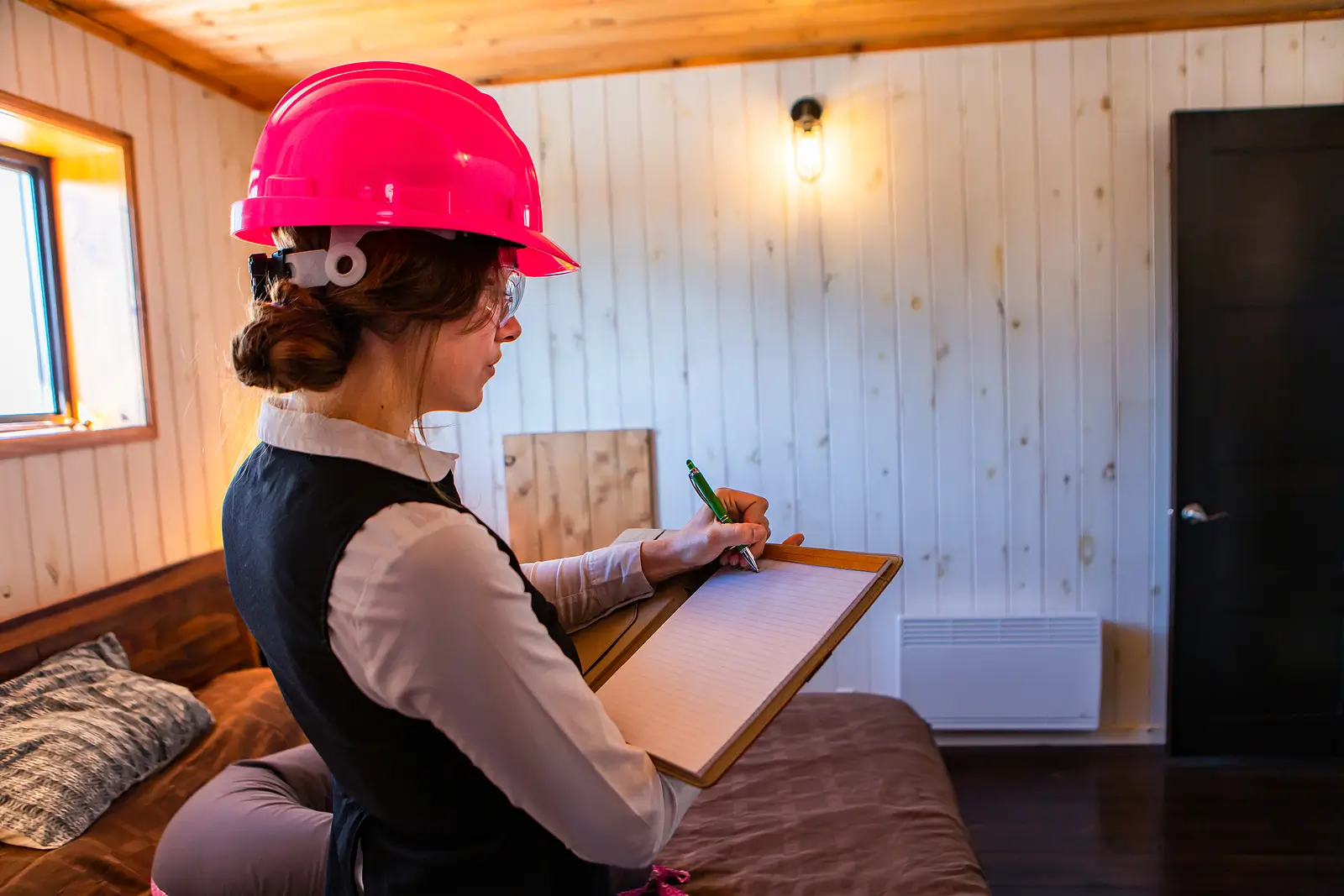
- Use a rental inspection checklist. Whether you're a DIY property owner or working with a property manager, check every area: smoke alarms, carbon monoxide detectors, leaks, appliance function, and signs of unauthorized alterations.
- Maintain detailed records. Keep inspection reports, photos, and communications. These documents protect you if a tenant refuses entry or disputes damage claims.
- Be respectful. Avoid opening drawers or touching personal belongings. This not only preserves trust but also avoids legal accusations of violating tenant rights.
- Schedule inspections reasonably. Limit them to no more than once per quarter unless repairs or safety hazards demand otherwise.
Common Pitfalls Jacksonville Landlords Should Avoid
- Skipping notice. Failure to provide proper notice can lead to legal action.
- Harassment through frequent inspections. Excessive inspections can be seen as retaliation or harassment.
- Ignoring lease terms. Some lease agreements spell out exactly how and when landlords inspect.
- Poor communication. Always inform tenants clearly and respectfully.
- No documentation. If a tenant refuses a charge after move-out, your detailed records are your best defense.
Open Doors the Right Way: Inspections Without Objections
From understanding Florida’s rules to giving proper notice, we’ve covered why conducting inspections isn’t just a good habit—it’s a landlord’s legal and financial superpower. Whether you're managing one or many rental properties, staying compliant with local regulations, respecting tenant privacy, and keeping up with regular inspections are non-negotiables when it comes to protecting your property investment.
A regular inspection can lead to fewer headaches, happier tenants, and more peace of mind. After all, tenant satisfaction isn’t just good for your reputation—it’s also great for business.
But if the idea of juggling legal compliance, scheduling walkthroughs, and writing up checklists sounds like a full-time job, it probably is. So why hand it off to the pros?
Partner with Nest Finders Property Management today. We handle every inspection, regulation, and tenant interaction, so you can sit back and enjoy owning rental properties. Your next smart move is just a phone call away!
FAQ
Q1: Can a landlord inspect a rental property at any time?
No. Landlords must provide proper notice—at least 12 hours—and inspections must occur during reasonable hours.
Q2: What happens if a tenant refuses entry?
If the landlord gave proper notice for a valid reason, a tenant cannot refuse. However, it’s best to handle the situation calmly and consult legal guidance if needed.
Q3: What is included in a rental inspection checklist?
Common items include smoke alarms, carbon monoxide detectors, electrical systems, plumbing, heating and cooling systems, and structural integrity.
Q4: Can I do regular inspections every month?
Technically yes, but many landlords stick to quarterly inspections to avoid tenant complaints or accusations of harassment.
Q5: Why should I hire a property manager for inspections?
A professional property manager ensures compliance with local laws, maintains detailed records, handles lease terms, and supports a positive landlord-tenant relationship—so you don’t have to juggle it all alone.
Additional Resources:
Navigating Tenant Rights During Property Renovations in Jacksonville
The Importance of Regular Property Inspections: A Landlord’s Checklist